Style Guide
Layering for Comfort and Style: A Practical Breakdown
Don't just throw on clothes. We break down how to layer basics so you look intentional, not rushed.


Why Layering Matters
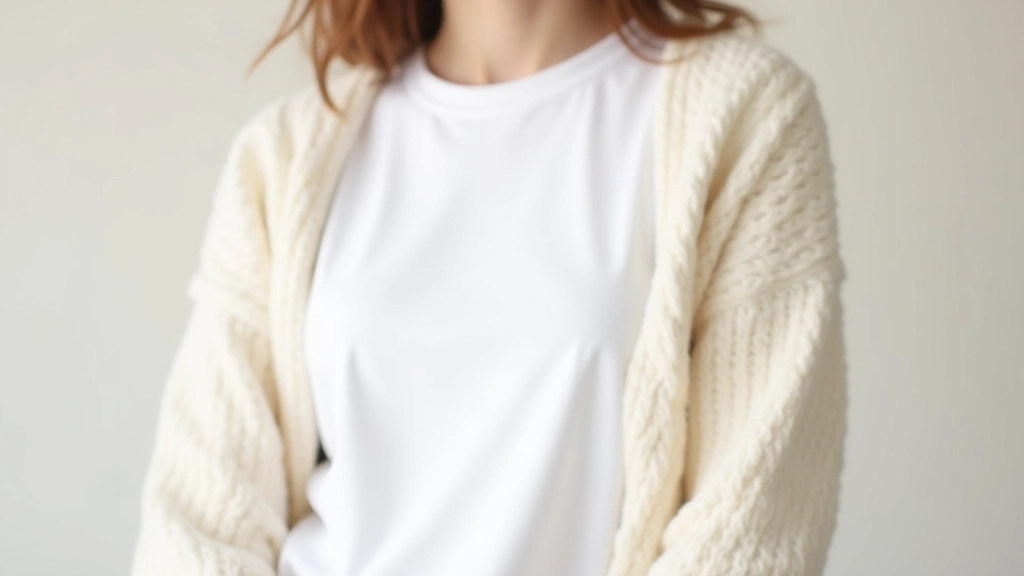
Layering isn't about piling on random pieces. It's strategy. You're building texture, proportion, and depth with intention. The right layers work together — they don't compete. Plus, you get versatility. A cream sweater over a white tee looks completely different from the same tee layered under a oversized button-up. Temperature changes, activities shift, lighting changes everything. That's the power of knowing how to layer properly.
Most people overthink it. You don't need dozens of pieces. In fact, the best layered outfits come from repeating the same few items in different combinations. Think three or four base colors — neutrals mostly — and then varying the texture and fit. A fitted base, a relaxed middle, a structured outer layer. That rhythm is what makes layering work visually and practically.
The Three-Layer Foundation
- Base layer: fitted, breathable, neutral tones
- Middle layer: varied texture, slightly relaxed fit
- Outer layer: structure and weight, defines the silhouette
This framework works whether you're combining tees, sweaters, or jackets. Fit progression is everything.
Understanding Proportions and Fit
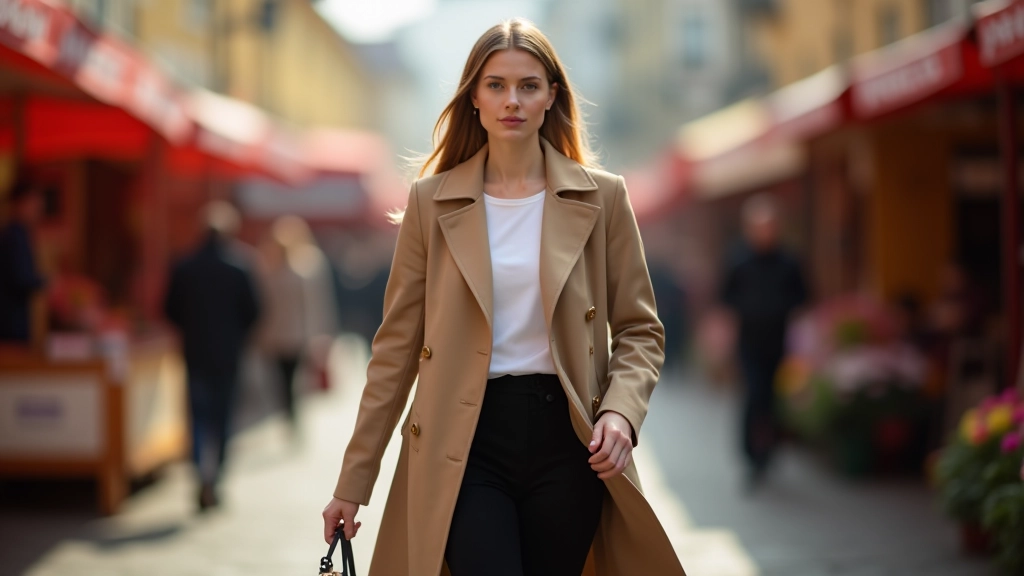
The biggest mistake? Using pieces that are all the same fit. Three oversized items stacked on top of each other? You'll look shapeless. Three fitted pieces? You'll look cramped. The visual magic happens when you contrast fitted with relaxed. Fitted base tee under an oversized sweater with a tailored jacket over top. Your eye follows the shape, the outfit reads intentionally constructed.
Think about negative space too. If your base is fitted and your outer layer is structured, your middle layer should breathe a bit. A chunky knit sweater works beautifully between a slim tee and a crisp button-up because it adds visual weight without adding bulk to your silhouette. You're creating rhythm with what you show and what you hide.
Colors matter here as well. Monochromatic layering (all cream, all grey, all black) works brilliantly because you're not fighting for attention. The silhouette becomes the focus. If you want color contrast, keep it to ONE standout piece and let the others be neutral supporters. A burgundy sweater over a cream base with black outer jacket. One pop. Everything else holds space.
A Note on Personal Style
These guidelines are suggestions based on visual principles and practical experience. Your body, preferences, and lifestyle might call for different approaches. What works for weekend walks in Vilnius might differ from your specific needs. Use these frameworks as starting points, then adapt them to what makes you feel confident and comfortable. Fashion should work for you, not the other way around.
Practical Layering for Weather
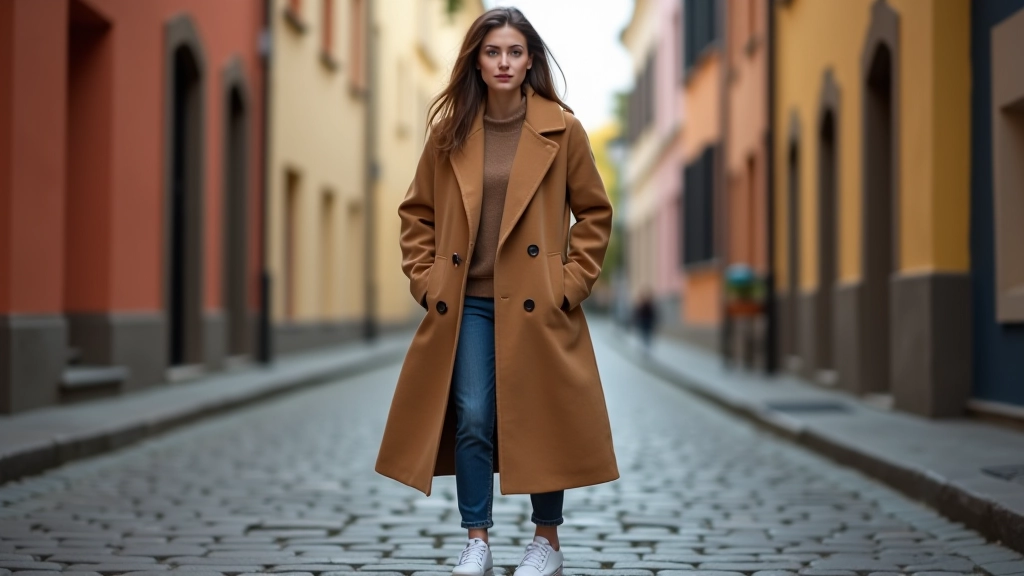
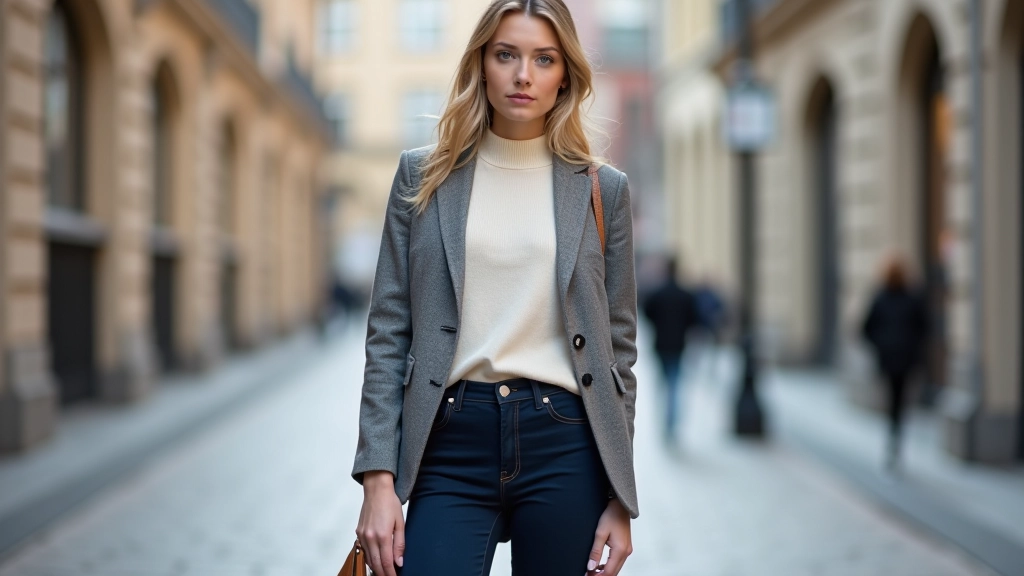
Spring and autumn in Lithuania demand flexible dressing. You might start cool in the morning, warm up by noon, then need a jacket again by evening. This is where layering saves you. Instead of one heavy coat, you're working with separates. Remove the outer jacket, tie it around your waist. The sweater alone works. Add it back when the temperature drops. You're not overheating or underdressed — you're responsive to what's actually happening.
Materials matter more than you'd think. A thin wool blend sweater layers better than a heavy cable knit. It compresses under a jacket without adding bulk. Cotton bases breathe. Linen adds texture. Technical fabrics move moisture. You don't need expensive pieces — affordable basics from regular shops work beautifully if you're choosing fabrics intentionally. That 15 tee from a regular store layered under a thrifted sweater costs way less than one "perfect" jumper, and you get ten times the outfit combinations.
Building Combinations That Actually Work
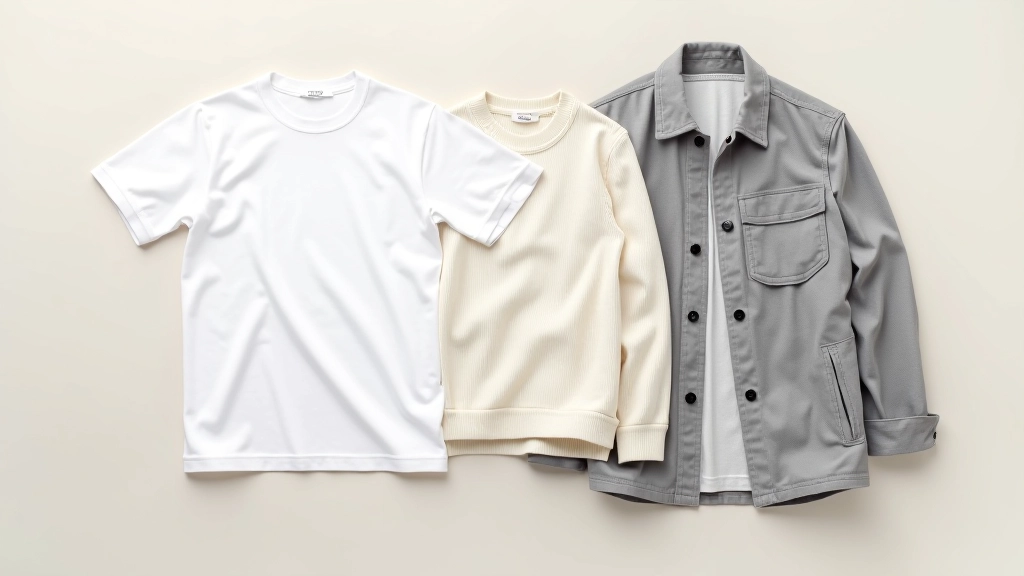
Start with five base pieces. One white tee, one cream tee, one grey sweater, one oversized button-up (linen or cotton), one structured jacket. That's your foundation. From there, add two pairs of jeans (one fitted, one relaxed) and one pair of trousers. Now you've got dozens of combinations without buying much. The key is intentional repeating. You wear the same pieces constantly because they genuinely work together.
Test your combinations at home before wearing them out. Does the sweater sit right under the jacket? Does the hem of the inner layer peek out at the wrists in a way you like, or does it disappear completely? Does the proportion feel balanced when you're moving, sitting, reaching? These practical details matter way more than following trends. A outfit that works for your actual life beats a "perfect" outfit that feels uncomfortable every single time.
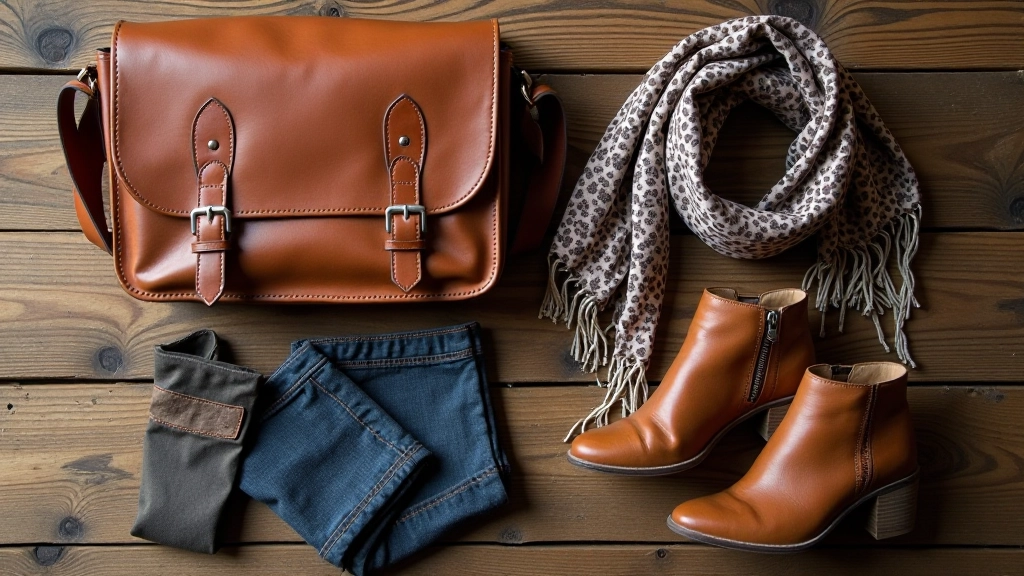
Accessories change everything too. The same tee-and-sweater combination looks entirely different with a scarf versus without it. Add a bag, change the shoes, suddenly it's a new outfit. You're not building one perfect look — you're building a system that creates multiple complete outfits from minimal pieces. That's sustainable style. That's also way less stressful than trying to plan every detail perfectly.
Real Outfits for Real Weekends
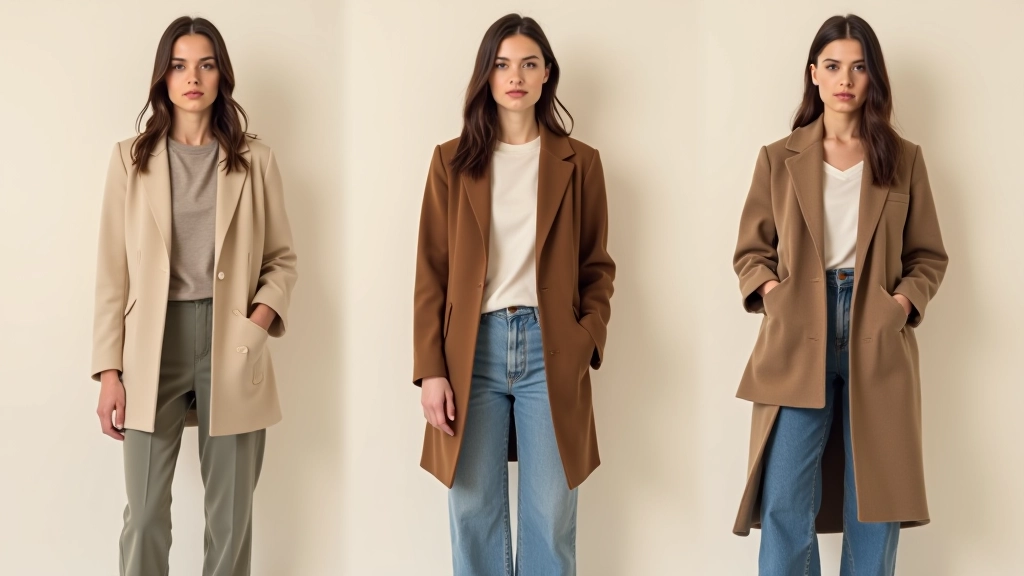
Let's be concrete. You're heading to Vilnius old town on a Saturday afternoon in early April. Temperature's around 10-12C. You start with a white fitted tee. Over that, a cream crew-neck sweater — medium weight, not bulky. Then a grey linen button-up worn open as a shirt jacket. Navy jeans, white trainers, small backpack. You look put-together. You're comfortable. If it warms up, you remove the button-up and tie it around your waist. Still looks intentional. If it cools down or you head to a cafe for coffee, the button-up comes back.
Now swap the cream sweater for a grey one. Instantly different vibe. The layering structure is identical, but the color story changes. Add a burgundy scarf to the first combination and you've got a third outfit. These aren't complicated transformations. You're just being strategic about what you already own. That's what people mean by "capsule wardrobe." You're not buying more — you're using what you have more intentionally.
The actual magic is in repetition. Wear these combinations over and over. They work because you've tested them. You know how they move, how they feel, how they look in different lighting. You're not second-guessing yourself every morning. You're not scrolling through outfit inspiration wondering if you can pull something off. You know you can. That confidence is worth more than any single expensive piece.
The Real Takeaway
Layering isn't complicated once you understand the basic principles: contrast fit (fitted plus relaxed), intentional proportions, and strategic color choices. You're not trying to be trendy. You're trying to look like you made thoughtful decisions with what you wear. And honestly, that's the definition of style.
Start with basics. Test combinations at home. Repeat what works. Build from there. In a month, you'll have a system that takes the stress out of getting dressed. You'll also have spent way less money than you would buying "complete" outfits that don't actually work with the rest of your wardrobe. That's the sustainable approach to weekend fashion. That's how you build a style that's actually yours.